


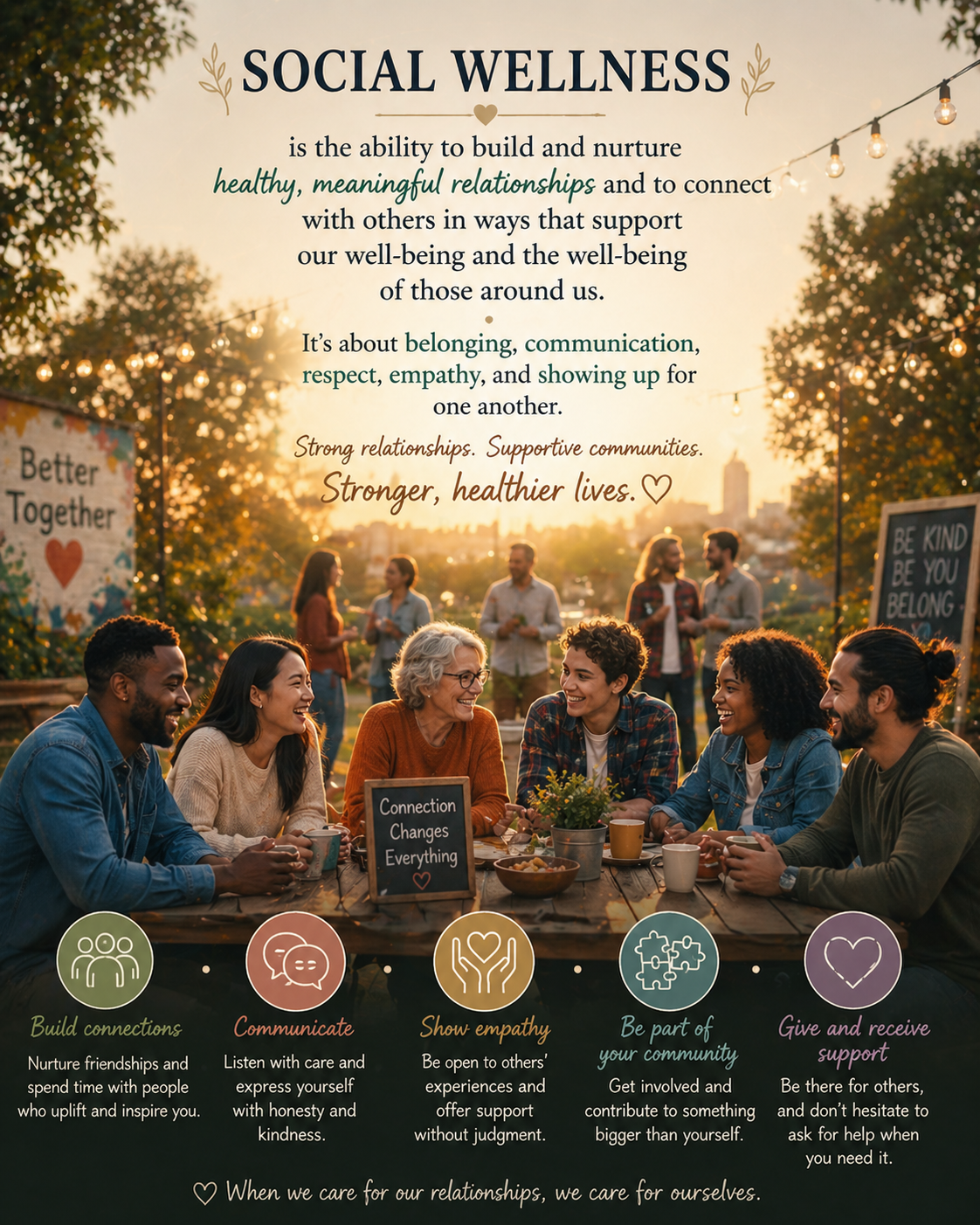
Social wellness is more than talking to those around you. It aims to build positive and supportive connections with friends, family members and colleagues. View the tips below to enhance the quality of your relationships.
The Benefits of Practicing Social Wellness
Benefits of social wellness include stronger relationships, a deeper sense of belonging, and improved overall happiness. It enhances communication skills, emotional support systems, and connection with others, while also supporting mental and physical health by reducing feelings of loneliness and stress. Prioritizing social well-being fosters a more connected, supported, and fulfilling life.
The Challenges to Our Social Wellness
Social wellness can be impacted by factors such as busy schedules, social anxiety, life transitions, or lack of meaningful connections. These challenges can lead to feelings of isolation, disconnection, or difficulty maintaining relationships. In order to navigate these challenges, it's important to be intentional about nurturing relationships, making time for connection, and stepping outside of comfort zones when needed. Practicing open and honest communication, setting healthy boundaries, and surrounding yourself with supportive people are key. Engaging in community activities, staying connected with friends and family, and seeking support when needed can help strengthen your social well-being and create a sense of belonging.
Ways to Practice Social Wellness
- Building and maintaining meaningful relationships
- Practicing active listening and open communication
- Making time for social connection and community involvement
- Setting healthy boundaries within relationships
- Surrounding yourself with positive, supportive individuals
- Stepping outside your comfort zone to meet new people and experiences
Webinar
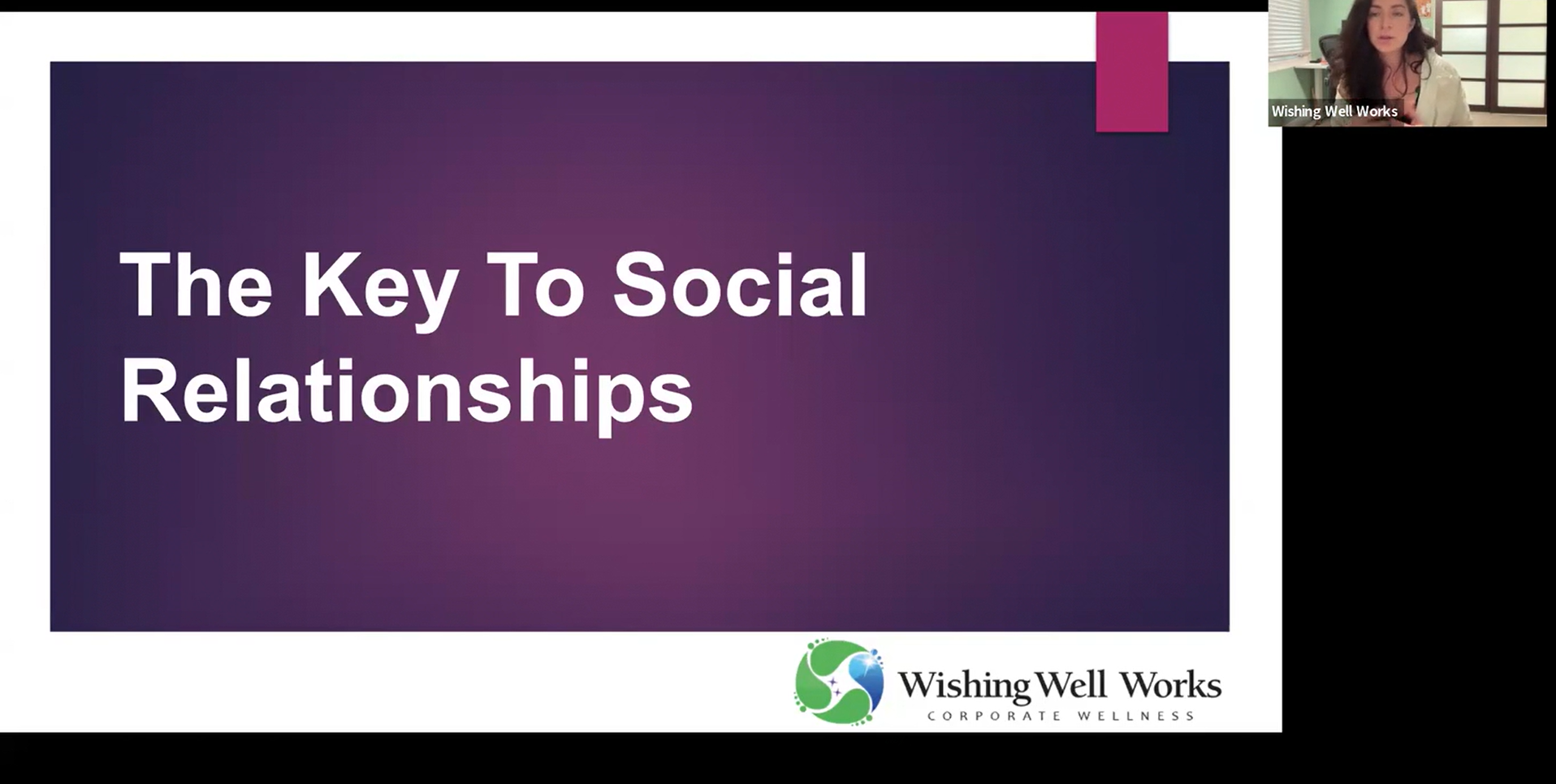
The Key to Social Relationships
This session explores the essential elements of building and maintaining positive social relationships in and out of the workplace. Learn how communication, empathy, and trust contribute to stronger connections, improved collaboration, and healthier relationships.
About our Speaker
Amber Boisclair

Balance and Resistance Training
In this session, participants will learn how balance and resistance training work together to improve overall strength, stability, and coordination. The session will cover the benefits of these essential components of fitness and provide simple exercises that can be done at home or in the workplace.
Video Resources

How miscommunication happens (and how to avoid it)

Why Social Health Is Key to Happiness and Longevity
Connect and lead, how we create community
PDF Resources
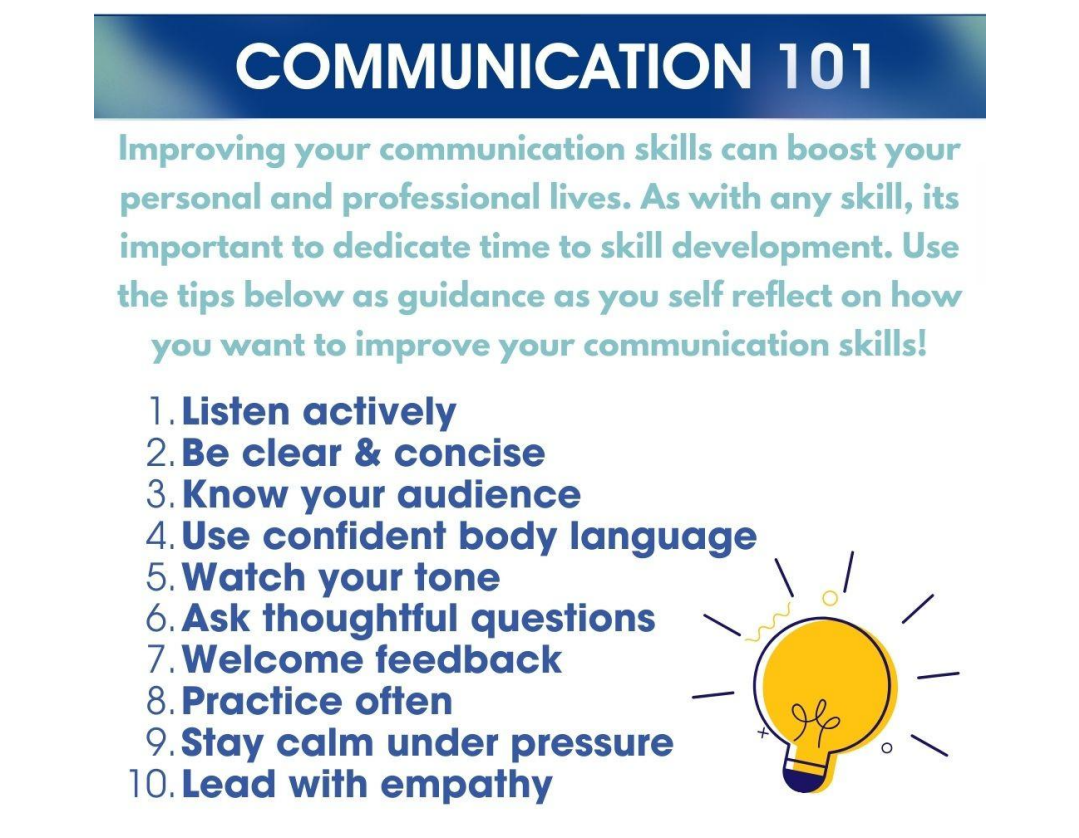
Communication 101
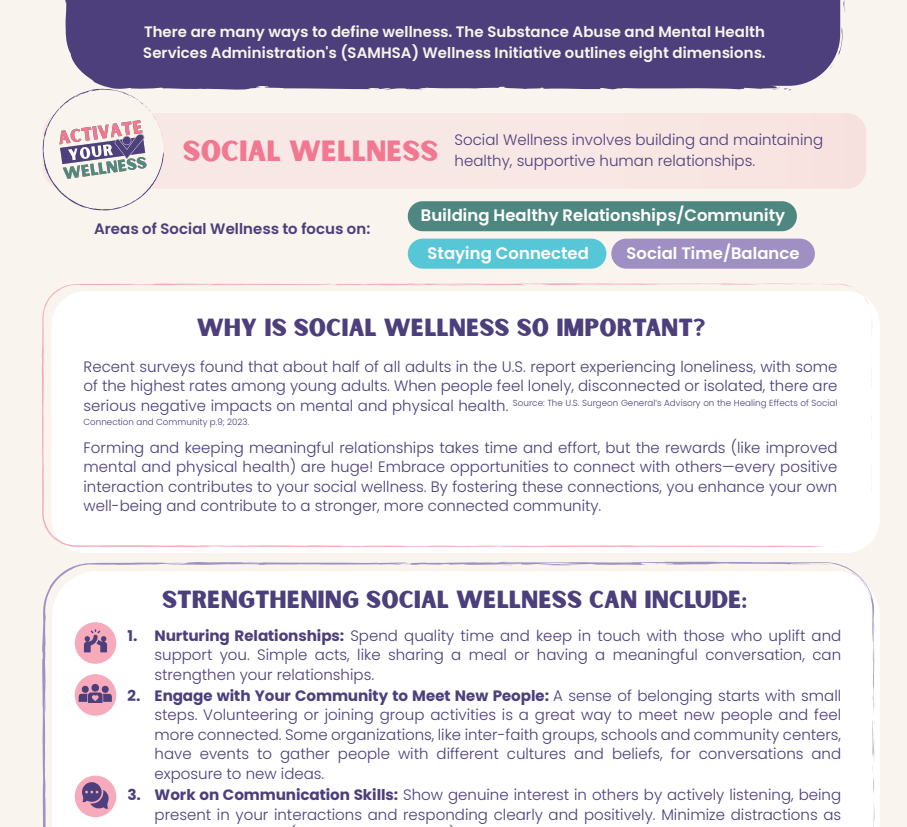
Social Wellness Fact Sheet
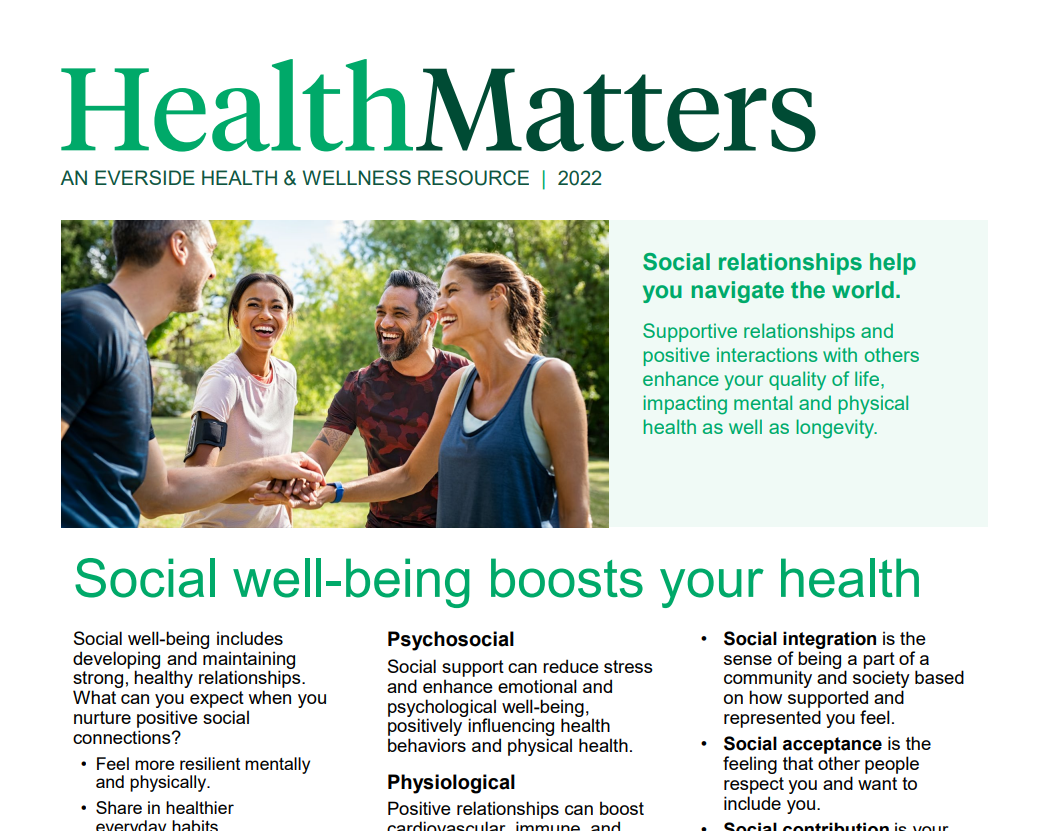
Webinar October 2022 Handout