


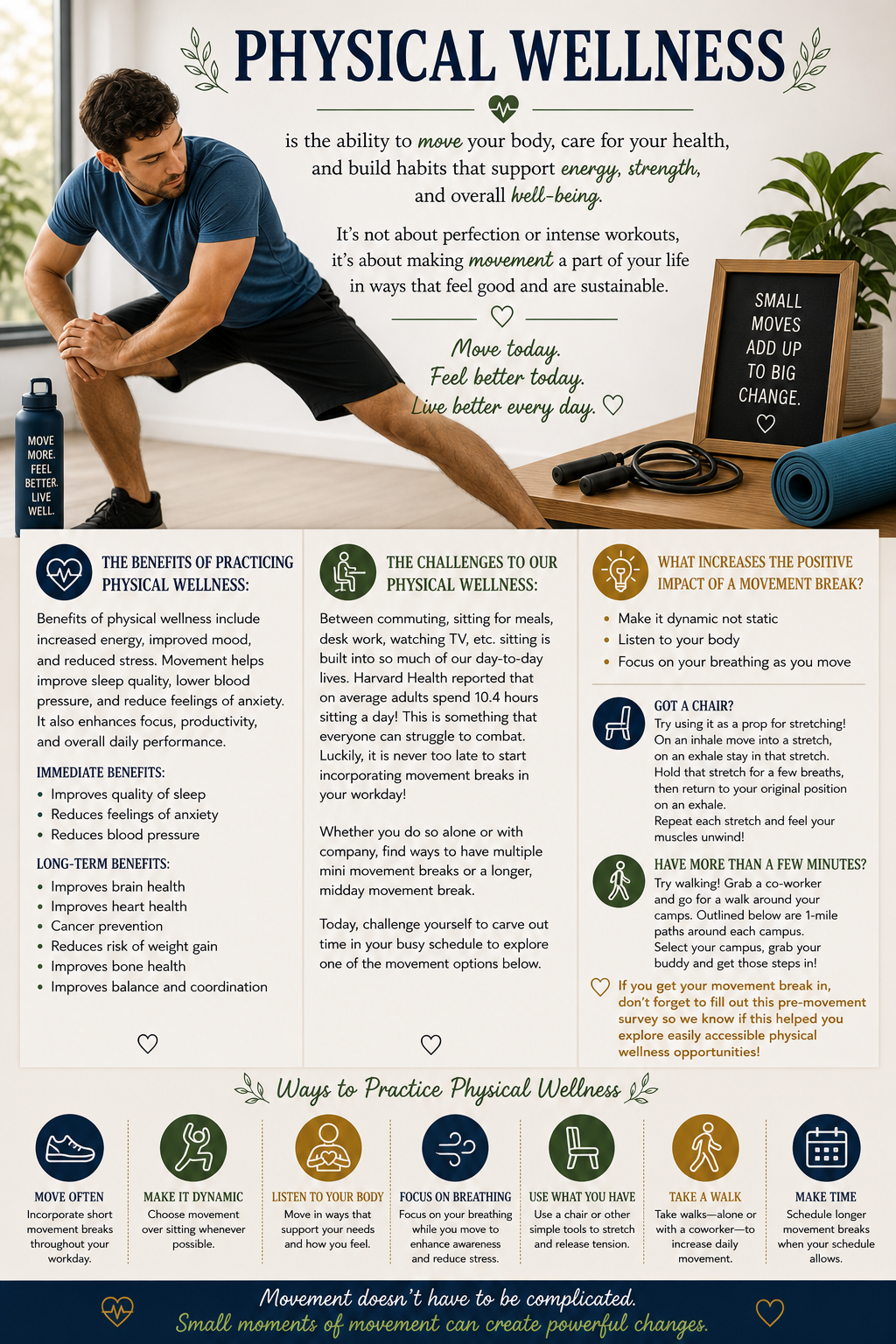
Physical Wellness is the ability to move your body, care for your physical health, and build habits that support energy, strength, and overall well-being. It involves listening to your body, staying active in ways that feel good, and making intentional choices that support both short-term and long-term health. Physical wellness does not mean extreme routines or perfection, but rather consistently finding ways to keep your body moving and functioning at its best.
The Benefits of Practicing Physical Wellness
Benefits of physical wellness include increased energy, improved mood, and reduced stress. Movement helps improve sleep quality, lower blood pressure, and reduce feelings of anxiety. It also enhances focus, productivity, and overall daily performance. Long-term, staying active supports brain health, heart health, bone strength, balance, and coordination, while reducing the risk of weight gain and chronic disease. Prioritizing physical wellness leads to a stronger, healthier, and more resilient body.
The Challenges to Our Physical Wellness
Physical wellness can be challenged by modern routines that involve long periods of sitting. Between commuting, desk work, meals, and screen time, movement is often limited throughout the day. In fact, studies have shown that adults spend an average of over 10 hours sitting daily. Busy schedules, lack of time, and limited access to fitness options can make it difficult to stay active.
To manage these challenges, it’s important to focus on what is realistic and accessible. Incorporating small, consistent movement breaks throughout your day can make a significant difference. Physical wellness doesn’t require large amounts of time—simple, intentional movement can help improve how you feel and function. Whether alone or with others, finding ways to break up sedentary time can support both physical and mental well-being.
To manage these challenges, it’s important to focus on what is realistic and accessible. Incorporating small, consistent movement breaks throughout your day can make a significant difference. Physical wellness doesn’t require large amounts of time—simple, intentional movement can help improve how you feel and function. Whether alone or with others, finding ways to break up sedentary time can support both physical and mental well-being.
Ways to Practice Physical Wellness
- Incorporating short movement breaks throughout your workday
- Choosing dynamic movement over remaining sedentary when possible
- Listening to your body and adjusting movement to your needs
- Focusing on your breathing while moving to enhance awareness and relaxation
- Using simple tools like a chair to stretch and release tension
- Taking walks—alone or with a coworker—to increase daily movement
- Making time for longer movement breaks when your schedule allows
Webinar
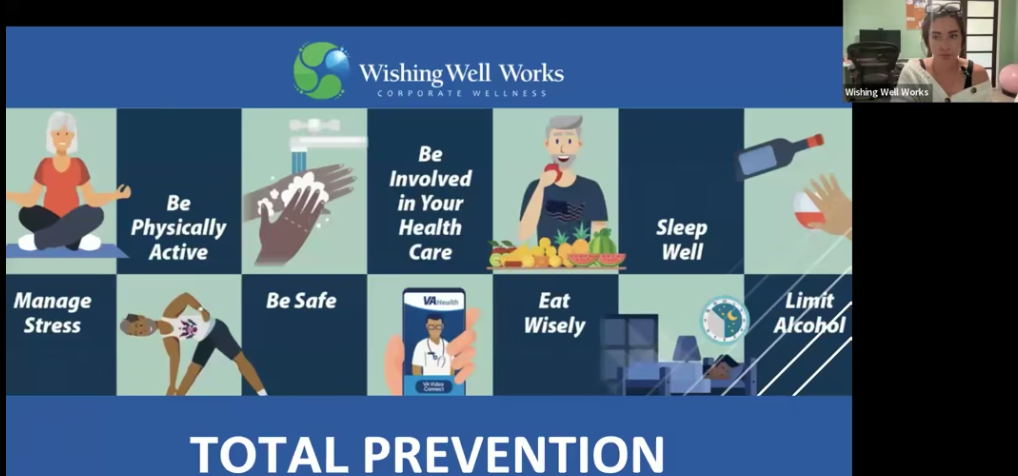
Total Prevention
Getting a better understanding of which health behaviors lead to increased risk of chronic illness is the focus of this presentation topic. In an effort to prevent negative health consequences, the importance of eating
a nutrient dense diet, increasing physical activity, getting quality sleep, and managing stress will all be discussed.
About our Speaker
Amber Boisclair

Amber brings years of personal and professional experience in the fields of fitness and nutrition, from crafting diet plans to designing tailored workout plans. Her journey includes roles as a fitness coach, kickboxing and circuit training instructor, and yoga instructor, as well as competing as a bodybuilder. With over five years of hands-on experience in weightlifting and diverse training modalities, she developed a deep understanding of the importance of health, nutrition, and recovery. Her daily habits and active lifestyle reflect her commitment to staying strong, balanced, and ready to pursue the activities she loves.
Video Resources

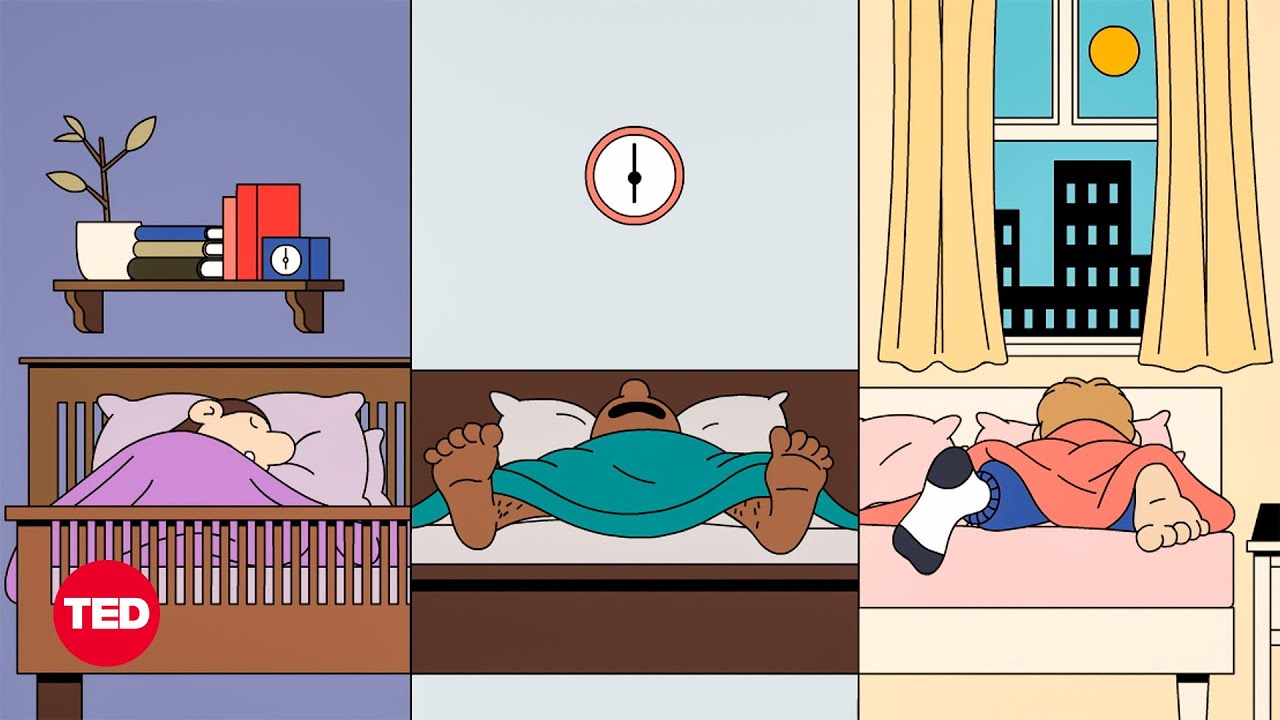
PDF Resources
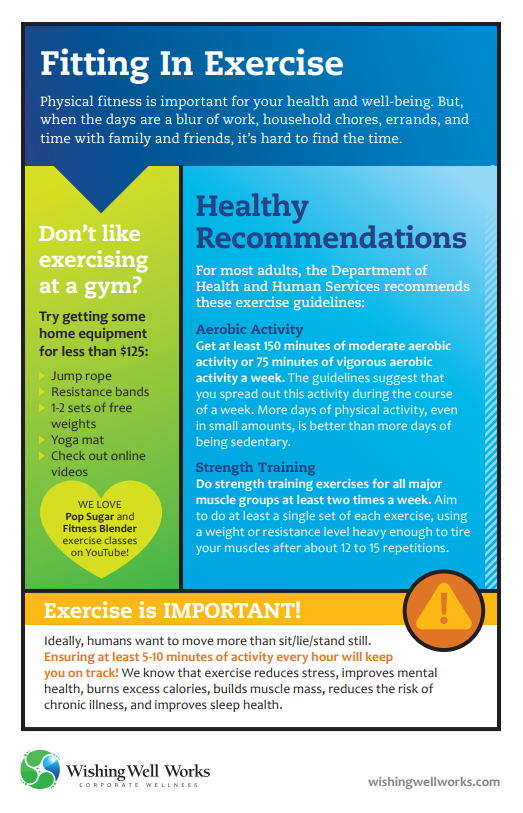
Fitting In Exercise
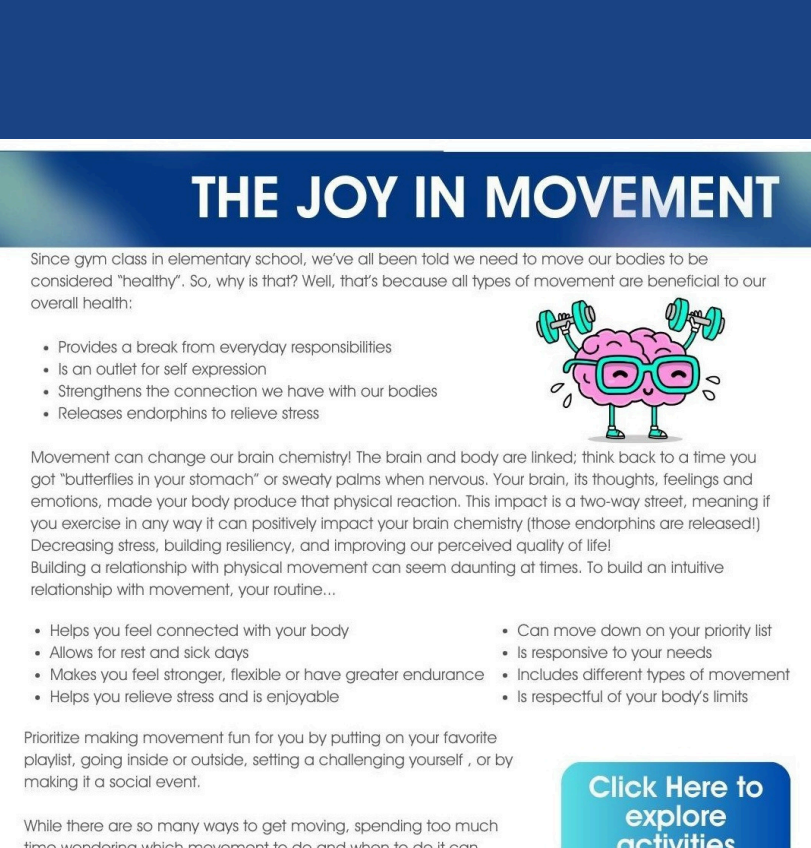
The Joy In Movement
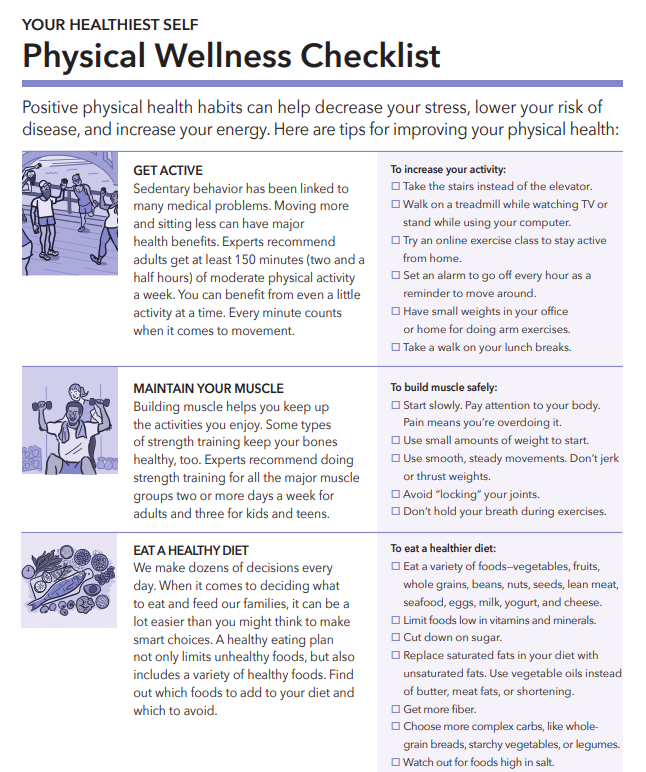
Physical Wellness Checklist